


Parent Resource Page
*I continuously add new resources as I discover them, so check back often!!:)

People with mild-moderate hearing loss often get overlooked and tend to not have intervention services. “A little hearing loss on an audiogram is a big deal if you’re not getting 100 percent communication access.”

The milestone of having a deaf engineer in a role with such responsibilities was not without its challenges. It was the ability to overcome challenges, however, that made NASA and Johanna the perfect fit.

Are you worried about Thanksgiving dinner because of your hearing loss? Thanksgiving has always been one
of my favorite holidays — you get to eat, you get to spend time with family, and the leftovers are always a
treat. But as my hearing loss has worsened over the years, I sometimes worry how it will all go. Will I be
able to follow the conversation at the table? Will I be discounted because I can’t participate like I have in
the past? Rather than wallow in fear, I put together these 10 tips for tackling Thanksgiving dinner with a
hearing loss. I hope they help you approach the holiday with more joy and less fear.
Have a great Thanksgiving!

Most hearing aids use disposable cell batteries to function properly. To help you get the most out of your hearing aid batteries, it’s important to know what factors affect battery life, and how to properly care for them. Whether you’re new to hearing aids or just trying to get the most use out of your batteries, read on for some helpful tips.

Do you know about Ear Gear? Infants, toddlers, and school-age children: gives worried parents peace of mind from hearing aid loss and breakdowns due to sweat, dirt and dropping the hearing instruments on the playground or gym floor. Ear Gear is perfect for anyone who has an active lifestyle who wants protection against sweat, dirt, moisture, wind noise and hearing aid loss

Holiday season is upon us, which may likely mean festive music, family gatherings and special traditions.
But all the noise and excitement around the season may also cause communication difficulties with your family and friends with hearing loss.
To make the holidays even more enjoyable and special for adults and children with hearing loss, try these tips!

Animated video of how bone conduction aids, like the Baha attract system works for those with Aural Atresia or Microtia.

Atresia, (also known as aural atresia) is the absence or closure of the external auditory ear canal. The middle ear bones (incus, stapes, and malleus) may be malformed including the narrowing of the ear canal, known as canal stenosis.

Alex Lacamoire has hearing loss. But the Tony-winning music director of “Hamilton” wants you to know, he’s no Beethoven.

For many families, splashing in the backyard or community pool or heading to the nearest beach to cool off in the water is a major part of summer fun. Before you get your pool passes for the season, find out about how to protect your children’s ears when they start enjoying time in the water. Swim ear plugs are often the best solution, but how do you know if your child needs them and what types are the best?

Most hearing professionals agree it’s a good idea to take your hearing aid out at night.
This is for many reasons – it could come out while you are sleeping and get lost in the sheets, or fall on the floor where you could step on it in the middle of the night. However, the primary reason is to allow your ear to breathe and your hearing aid to dry from moisture and bacteria. Nighttime is a good time to allow this to happen.
But there are safety risks when removing your hearing aids at night.
If you can’t hear the doorbell ring, a fire alarm or your child calling out for help in the middle of the night, you may feel helpless.
However, there are tools available to help those of us with hearing loss to sleep safer and more soundly.

-
US study found 263,000 children were sent to A&E due to earbuds over 20 years
-
In the UK, around 7,000 people are treated for earbud emergencies every year
-
Injuries include burst eardrums, loss of balance and total loss of hearing

A new study on the epidemiology of firearm and other noise exposures in the United States shows lawnmowers and guns are putting Americans at an increased risk for hearing loss.
Firearms and lawnmowers, specifically, produce deafening levels of noise, and very few users are wearing hearing protection while using these items.

We’ve all been there. Ready to leave grandma’s house, we’re getting the little ones dressed and packed up, and uh-oh, something’s missing. The hearing instrument has vanished. The panic starts to set in.

Easter is this Sunday, which means we’re getting ready for lots of family time and of course Easter egg hunts!
Any special event requires some extra planning, but I’ve found that especially with my deaf toddler, extra noise, people, and activities can be especially overwhelming and daunting. There are ways, however, to ensure these special events are inclusive and fun for them!

Happy Mother’s Day to all Mums in the UK – and a special shout out to those with deaf children! I’m writing this blog as the hard work and determination that Mums put in, to bring their deaf child up in the hearing world, often goes unrecognised. This one’s for you Mum!

Cotton swabs may seem harmless enough, but they can be dangerous when used to clean your ears. Although some people swear by using cotton swabs (Q-Tips) to remove excess wax and debris from their ear canals, medical experts will warn you not to try it. They have seen many catastrophes resulting from using cotton swabs. From punctured eardrums to super impacted wax, there are many negative consequences associated with "do-it-yourself" ear cleaning.

Why does fashion matter? Sometimes, fashion may be thought of as frivolous and superficial. But consider this: How do you express your own personality and identity in a way that is immediately tangible? Being able to be open about one’s disability, and to show it off confidently and proudly to their peers, reduces the amount of self-stigmatization, and can potentially reduce the amount of negative perceptions from others. As a result, individuals are more likely to be stronger advocates for their own needs!

For children with hearing loss to succeed in classroom they need a variety of skills. And learning those skills needs to start when hearing loss is identified – hopefully within the first few weeks. So lets talk about what we think needs to be learned.
For children with hearing loss to succeed in classroom they need a variety of skills. And learning those skills needs to start when hearing loss is identified – hopefully within the first few weeks. So lets talk about what we think needs to be learned.

All of us with hearing loss know how hard it can sometimes be to converse comfortably with our friends and family. We get tired, frustrated and sometimes just tune out. But it is hard on those that love us as well. They don’t like to see us struggle or be unhappy; and they can get annoyed that we don’t understand what they are saying. Today’s post is for them. Please share these tips with your friends and family and enjoy better conversations!
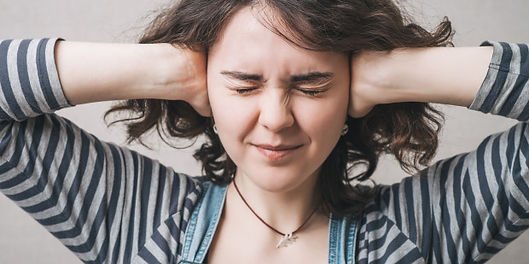
Oil. Sweat. Dirt. Dead skin. While you may scrub this stuff off your face, you actually want it in your ears. It may sound mildly disgusting, but earwax is essential for maintaining healthy hearing.

My son Matthew, now 7 years old, was diagnosed with Auditory Neuropathy at the age of 2 ½. We suspected something was up, because he stopped singing songs, he often looked "lost" so many times, and he was responding less. However, many times he seemed to be hearing fine.

Hearing loss is a common problem in newborns. Some cases are due to auditory neuropathy spectrum disorder (ANSD), a problem in the transmission of sound from the ear's innermost part (the inner ear) to the brain.

Have you ever had temporary hearing loss, possibly caused by an ear infection or a build-up of wax, which has affected your hearing?
Well, according to a new study from the University at Buffalo, “Even short-term blockages in hearing can lead to remarkable changes in the auditory system, altering the behavior and structure of nerve cells that relay information from the ear to the brain.”

The New England Patriots and Atlanta Falcons will face-off in the NFL championship game on Sunday, in a stadium that has been called the “loudest in the NFL.”
While we’ll be cheering for our favorite team on game day, we’re also looking forward to a safe, inclusive and entertaining game – complete with subtitles, sign language and hearing protection. We’re taking on Sunday from a deafie’s perspective, including reminiscing about deaf NFL player’s who we’re still looking up to.

The six-year-old made headlines last fall when the Children’s Hearing Program at the University of Miami Health System helped surprise him with a visit from his favorite NFL team, the Miami Dolphins, to go along with his new Phonak Sky V hearing aids designed specifically to match the team’s colors.

Have you ever been with friends in a noisy restaurant and had trouble keeping up with a lively conversation across the table? Or sat through a meeting and allowed your thoughts to drift? If you’re a normal hearing person, you probably do it without giving it much thought. But for a person with hearing loss, listening is exhausting. If you live, work or socialize with someone who is hard of hearing, you just might want to understand this fully so that you can appreciate the effort, and make changes to the way you communicate.

If you’re a parent of a child with hearing loss, you know choosing the right hearing aid isn’t always black or white. Technical aspects aside, you’ve probably had the color discussion about your child’s hearing devices with your family audiologist. Should you try to blend in with hair/skin tones so people don’t see their hearing aids, or do you go bold and bright?

It’s embarrassing to have to ask people to repeat themselves, not just once, but over time and for many years. But sometimes it’s necessary. Those of us with hearing loss can continue faking it to avoid that embarrassment but that only goes so far. We’re found out eventually. That said, it’s also true that it’s not always me and my hearing when something spoken to me is not clear. Many people mumble, drop their voices, turn away and do other things that can make interpersonal communication challenging.
So how can you continue to have good relationships, despite your hearing loss?

Reportedly, there’s been a 30% increase in hearing loss in adolescents (one out of every five, actually), which they’re attributing to the increase in earbud use. According to the article, phones made in the U.S. can hit up to 115 decibels (dB) with permanent damage occurring with regular exposure at 110 dB (or higher) for longer than one minute.

Watch a flinstone cartoon that simulates basic degrees of hearing loss from normal to severe!
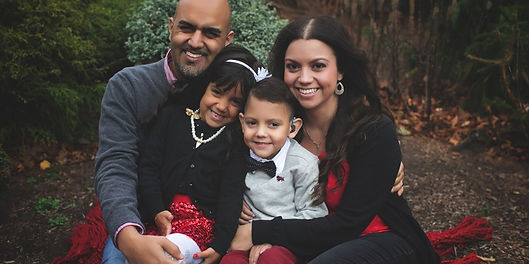
We love it when people share their hearing loss stories with us on social media. Our community often provides comfort, encouragement, inspiration and support for others in similar situations. Recently we connected with one of our Instagram friends who we think has a wonderful story to share.

"I cannot understand what you are saying when you speak to me from another room." The words floated up the stairs and stopped me in my tracks. Hearing those words, which I have spoken thousands of times, coming patiently from my 14-year-old son's mouth, made me wince.When you have hearing loss, it affects the whole family.

It is said that time marches on and one thing is certain: hearing loss marches right along with it. The recorded history of hearing loss goes back hundreds of years, and attempts to correct hearing loss have been in existence since the very first person to cup their hand behind their ear.
The good news is hearing aids and other assistive listening devices have come a long way since the first rudimentary attempts at improving hearing. Yes, hearing aid technology is still evolving and is far from perfect, but looking back through the years of technological advances certainly allows us to put any complaints about modern hearing aid technology in clear perspective.

As a parent of a hearing impaired child, taking good care of your kid’s hearing aids automatically becomes part of your daily ritual. Besides the hygienic aspect, protecting these valuable devices also prevents damage and allows them to have a longer life cycle.
Here are 10 care tips for your child’s hearing aid:

Adolescents that have hearing loss typically have concerns that wearing hearing aids will make them seem different or that their peers may think that they are stupid because they need to wear hearing aids. Indeed, other children in school, their neighbourhood or people they do not know in the community may make these assumptions. For a teenager to be willing to wear hearing aids he needs to understand the critical importance to his future, and to be armed with the attitude and confidence to be among his peers while wearing hearing aids and not be affected by the casual flippant remark.

Some kids seem to have near-constant ear infections. Even after the pain is gone, a parent's got to wonder: Are there lasting effects from all that muffling of sound in the formative years?

To celebrate Harry’s first “hearing birthday” we decided to throw a little party to acknowledge his special day. We want Harry to grow up to be proud of who is he is, the equipment he wears, and understand that he is a deaf person who has been given the gift of hearing through his Advanced Bionics cochlear implants. The day was to make a bit of a fuss of him and his magic ears.

Dear Anna is a weekly advice column for the hearing loss community.
Dear Anna: I wear hearing aids and are usually very careful with them, but I was on vacation with my family and I laid my hearing aids on my towel while swimming in the hotel pool. Well, while I was in the pool, my little brother grabbed my towel off the lounge chair and my hearing aids went flying into the water! What do I do now that my hearing aids wet? – Soaked in San Diego

1 in 5 teenagers have hearing loss, which experts believe is in part due to the use of earbuds. William H. Shapiro, an audiologist and a clinical associate professor from NYU Langone, tells us how earbuds are affecting our hearing.

Try these tips the next time you talk with a family member, coworker, or friend with hearing loss. By making a few simple adjustments, you’ll both get more out of the conversation:

We’ve all seen the first-time hearing videos; when a child’s eyes light up after first hearing their parent’s voice… maybe you’ve even experienced it your own family. But while this moment is encouraging in showing their technology is working, hearing aids and cochlear implants alone don’t solve all the communication challenges for a hearing-impaired child.

Wireless audio systems, designed to improve communication and understanding for children with hearing loss, have improved dramatically since the inception of the FM system in the 1960s. In fact, the latest iteration makes it easier than ever for kids to have a personal wireless system outside the classroom, an important step in helping them reach their educational and social goals.

Hearing loss is complicated. There are many different reasons someone can develop hearing loss, and each situation can cause a different type of hearing loss. One of the most common and challenging types is sensorineural hearing loss.

Your child needs opportunities to listen throughout his entire day in order to gain the experience he needs to make meaning of the sounds he hears. Progress in auditory skills will not happen in the one hour home visit you have weekly or your one hour speech therapy session. Integration of auditory skills development into daily routines and family activities is critical.

Ready or not, here they come! The holidays, with all their festivities, are just around the corner. Whether you’re hosting a family event or attending one, planning for the season can help make things much less stressful. Take hearing loss, for example. According to a November 2014 survey of more than 200 individuals conducted by Healthy Hearing, half of family gatherings this year will include someone with hearing loss, while only 30 percent will have some with hearing aids.
Our gift to you? Suggestions for making your holiday meal hearing-friendly for all members of the family.

When working with students who are deaf or hard of hearing, teachers might notice that the students may struggle to hear in the presence of background noise even while wearing hearing aids and cochlear implants. Hearing Assistive Technologies (e.g. FM/digital wireless and audio distribution systems) are a means of addressing this issue.

Even mild hearing loss can have an impact on a child's ability to learn, the experts tellVivian Chiu. But many parents balk at the idea of hearing aids

Truth be told, much of your hearing is on autopilot. Our brain is processing the sounds our auditory system collects as automatically as we inhale and exhale. In fact, the way we hear is a fascinating and, sometimes mysterious, process. So, in honor of audiology awareness month, here are five things you may not know about how your hearing works.

We live in a noisy world. There’s so much noise so much of the time that we become oblivious to it. We accept noise as the background to our lives. That is, until we find ourselves left out of conversations and turning up the volume on the television because we can’t hear!

They’re all talented, famous and among the 48 million Americans coping with hearing loss

Self-advocacy is important for kids with learning and attention issues. It helps them ask for what they need. But shy kids may find it especially hard to request help or speak up for themselves. Here are some ways to help your shy child ease into being a self-advocate

What are the listening and learning challenges for a child with hearing loss in one ear (unilateral)?
What may your child REALLY be missing when a choice is made to not wear them everyday? What are the risks?

Great explanation for the need for a better signal to noise ratio for students challenged with Auditory Processing challenges and why an FM is often a powerful tool for these students in the classroom!

We're All Ears recently asked their Facebook community to answer this question. What is the number one thing you wish your family and friends understood about having hearing loss? Here are the top 18 responses!

Read about one person's powerful perspective on how challenging hearing loss can be for students listening and communicating everday in active noisy environments!

Read about the Hearing Restoration Project happening right now and learn how far researchers have come to discovering how to cure sensorineural hearing loss!

Classes are 8 weeks long and are offered through the John Powers Center in Vernon Hills. Classes start soon! Come learn one of the most popular languages taught at 2 different ability levels!

Article Developed by Karen L. Anderson, PhD for the Minnesota Department of Education Parents Know website, 2011(http://parentsknow.state.mn.us ). Discusses the learning issues involved with growing up with a hearing loss, and what parents can do to support their child. Also contains links to additional resources.

The "recipes" in this creative book contain teacher provided ideas on what parents can do to maximize their child's access to knowledge, skills, and communication
This is an article by Hands and Voices that describes what self-advcacy skills mean to a child with hearing loss and how parents can help to develop these skills at home.

Med-El article describing how to use a variety of strategies when listening becomes challenging
Presentation provide at the Parent Cafe, in December 2014, through the Illinois Resource Center and John Powers Center. Discusses the importance of self advocacy skills for a person with hearing loss, and how parents can help their child develop these necessary skills!

Presents a list of activities families can do at home to strengthen a child's ability to recall auditory information

Add Your Title
This is a great place to add a tagline.
Tell customers more about you. Add a few words and a stunning pic to grab their attention and get them to click.
This space is ideal for writing a detailed description of your business and the types of services that you provide. Talk about your team and your areas of expertise.


